

If you’re in a hurry:
Small indoor events → fine pitch + lightweight modular panels
Large stage events → high brightness + quick-lock system
Touring setups → durable, fast assembly, flight-case friendly
Budget-first projects → balanced P3–P5 pitch rental screens
In the fast-paced world of live events and stage productions, the right rental LED display is the one that saves you time, looks flawless on screen, and gives you peace of mind. Click the following link to learn more about the benefits of event-ready rental displays. https://www.cltchina.com/industrynews/21-37.html
Pixel pitch determines how sharp the screen looks from different distances.
|
Pixel Pitch |
Best Viewing Distance |
Best Use Case |
|
P1.9–P2.6 |
Close (indoor) |
Conferences, exhibitions |
|
P2.7–P4.0 |
Medium |
Stage events, indoor/outdoor |
|
P4–P5+ |
Far distance |
Large outdoor events |
Rule of thumb:
The closer the audience, the smaller the pitch you need.
Here is a general industry reference to help you understand the market:
|
Type |
Estimated Price (USD / m² / day) |
Best For |
|
Entry-level indoor rental (P3.9–P5) |
$40 – $80 |
Small meetings, basic events |
|
Mid-range indoor & outdoor (P2.6–P3.9) |
$80 – $150 |
Events, exhibitions, stage setups |
|
High-end fine pitch rental (P1.9–P2.6) |
$150 – $300+ |
Conferences, premium launches, close viewing |
|
Outdoor high-brightness rental LED |
$100 – $250 |
Concerts, festivals, large public events |
NOTE: These are general market references. The final price may vary depending on things like the country, how long it's being rented for, delivery, installation service, and how complex the project is.
A rental display should reduce setup stress, not increase it.
Look for:
l Self-locking mechanisms
l Quick signal/power connection
l Lightweight cabinet design
l Tool-less assembly
Different environments require different brightness levels:
|
Ambient |
Brightness |
|
Indoor events |
800–1200 nits |
|
Semi-outdoor |
1200–3500 nits |
|
Outdoor stage |
3500+ nits |
Too dim = washed-out visuals; Too bright indoors = eye fatigue + wasted power
Rental displays are constantly moving.
So ask:
l Does it come with flight cases?
l Is the cabinet impact-resistant?
l Can it survive frequent loading/unloading?
A strong transport system is often more important than minor spec upgrades.
A good rental system should support:
l Multiple input formats
l Cloud or remote management
l Fast calibration
l Stable signal transmission
|
Type |
Strength |
Weakness |
Best For |
|
Indoor rental LED |
High clarity, fine pitch |
Not weatherproof |
Conferences, exhibitions |
|
Outdoor rental LED |
High brightness, durable |
Heavier structure |
Festivals, concerts |
|
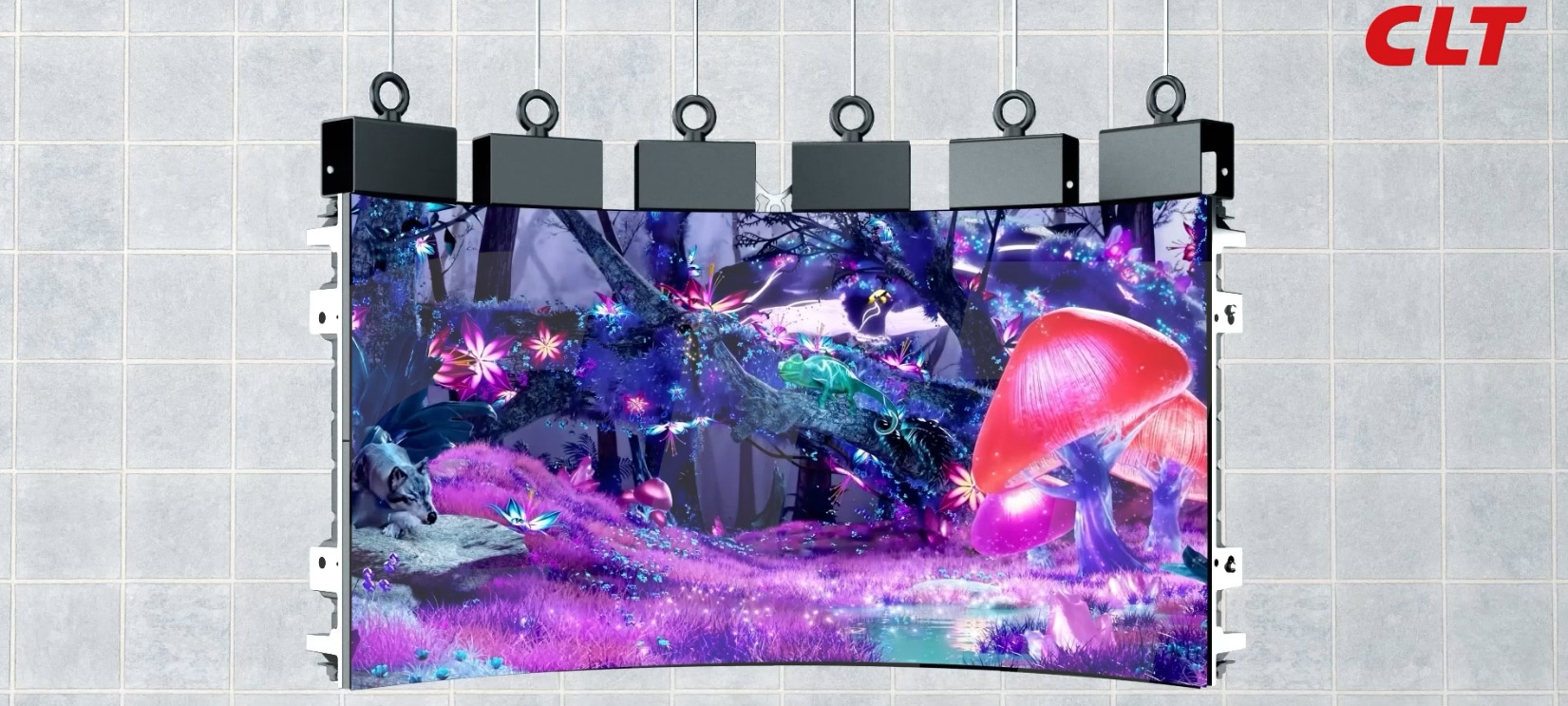
Modular curved LED |
Creative shapes |
More setup complexity |
Stage design, branding |
|
Floor LED rental |
Interactive experience |
Higher maintenance |
Events, immersive shows |
Many buyers make the same avoidable mistakes:
Higher resolution doesn’t help if viewing distance is large.
Slow setup = higher labor cost every single event.
Indoor screens used outdoors look weak and unclear.
Rental screens fail more from handling than from usage.
If the system can’t expand or reshape, it limits future projects.
It depends on how far away you are when you're looking at it. For indoor events, the most common balance between clarity and cost is P2.6–P3.9. If you're playing to a small audience, use a smaller pitch; if you're playing to a large audience, a slightly larger pitch is fine.
A well-designed system can be set up in 30 minutes to a few hours, depending on the size. Quick-lock cabinet systems mean you can get set up much quicker than with traditional fixed LED structures.
Yeah, but only if they're made for outdoor use, with high brightness, waterproof protection and a reinforced structure. Indoor screens should never be used outside.
Good quality means that it works well, is quick and easy to install, the colors are consistent and it is strong enough to be transported many times.
Renting is better for events, temporary projects, and businesses with changing needs. Buying is more suitable for permanent installations, such as retail or control rooms.
Regular cleaning, proper storage in flight cases, and routine module checks are enough. Most issues come from handling, not daily usage.
Choosing a rental LED display is not about picking the best spec,it’s more about picking the right solution for your event workflow.
2026.06.11
2026.06.05
2024.09.10
2024.04.01
2024.03.29
 中文
中文 English