
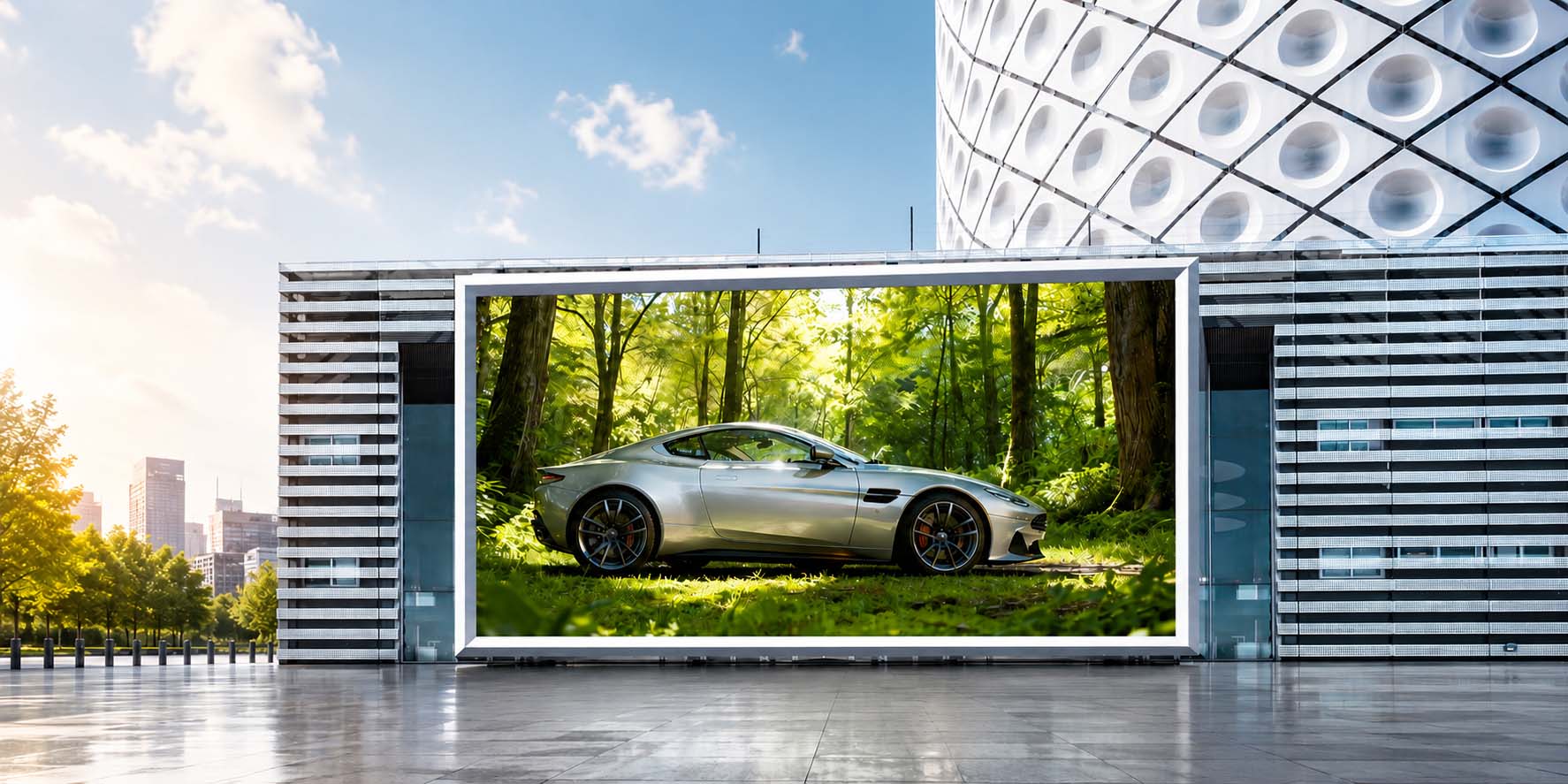
A large LED screen can instantly transform an event space. It can turn a simple stage into an immersive experience, help brands stand out at exhibitions, and create unforgettable moments at concerts or sports events.
But the screen itself is just the start. It's the content that's really important here. A great LED screen will have clear messaging, strong visuals and audience-focused design, making every second count.
Large LED screens are usually viewed differently from TVs or monitors. Audiences may be standing far away, moving through a venue, or only looking at the screen for a few seconds. That's why simplicity is one of the most important design principles. If there's too much text, complicated layouts or too many visual elements, people will quickly lose attention. Effective LED content usually focuses on one clear message, using short headlines, strong images, and a clear visual hierarchy to help viewers understand the information instantly.
A huge display naturally grabs people's attention, but it's not just about how big it is. The quality of the visuals, color choices and overall composition are what make people keep watching.
When it comes to content, it's always best to stick to the actual LED screen specs. We've got to have different designs for all the different screen sizes, pixel pitches and installation environments. Content that looks good on a computer screen can sometimes look a bit weird when it's displayed on a massive LED wall. It might be blurry, stretched or just not balanced.
Using strong contrast, clear colors, and proper visual layering can improve readability and create a more immersive feeling. At the same time, designers should avoid excessive effects or overly bright backgrounds, which can make content uncomfortable to watch.
Every LED screen has a different purpose, so you've got to design the content around where it'll be used.
When it comes to outdoor LED screens, visibility is the main thing. It's really important that the content is clear when the lighting is changing, especially during events during the day. Strong contrast, larger text and simple visuals usually work better.
When it comes to indoor events like exhibitions, retail stores and corporate events, the focus is more on telling the brand's story, highlighting product details and getting creative with visuals.
And the distance you're viewing from is important too. If you're looking at a screen from hundreds of feet away, you don't need as much content as you would if you were looking at a display that's right in front of you. If you get to know who you're designing for, you can figure out the best font size, image details, and info layout.
These days, LED screens are so much more than just for showing videos. They're becoming more and more popular as ways for people to connect with brands and events.
Social media walls, live camera feeds, AR experiences, and real-time data displays can get audiences involved instead of just watching. For example, at a sports event, you can get live scores and player stats, while in a retail campaign, customers can interact with products using mobile AR tech.
When the content responds to the audience, the LED screen becomes part of the experience rather than just a background display.
The best LED screen content always starts with understanding who will see it.
A shopping mall, airport, stadium, and exhibition hall may all use large LED screens, but their goals are completely different. Retail environments often focus on brand stories and product promotion, while transportation spaces may prioritize useful information such as schedules, weather, or announcements.
Adding local culture, regional elements, or familiar visual symbols can also make content feel more connected to the audience. Most importantly, every piece of content should have a clear purpose, whether that is building brand awareness, attracting visitors, or encouraging action.
Even if the content's been designed well, it can look different when you put it on a real LED screen. Things like brightness, color, how far away you are looking, and the lighting around you can all have an impact on the final result. Testing out content before an event helps you spot problems with things like readability, color accuracy and visual balance.
Usually, professional teams review content on the actual LED system whenever they can. After the event, performance data like audience interaction and engagement can provide insights for future improvements. You can't just create great LED content once and then forget about it. It just keeps getting better and better through constant testing and tweaking.
Good LED screen content is easy to understand, visually attractive, and designed for the real viewing environment. It should combine clear messaging, strong contrast, suitable motion effects, and a layout that works well from different distances.
Yes, but videos created for TVs or computers may not deliver the best results. LED screen content should be adjusted according to the screen size, resolution, pixel pitch, and installation environment.
Focus on simple messages, strong visuals, storytelling, and interactive elements. The goal is not only to display information but also to create an experience that connects with the audience.
Before designing content, confirm the LED screen size, resolution, viewing distance, brightness requirements, and indoor or outdoor environment.
A large LED screen provides the space, but content creates the experience. Whether it is a concert, exhibition, corporate event, or outdoor festival, successful LED screen content combines creativity, technology, and audience understanding. With the right design approach, a rental LED screen can do more than display information — it can create moments that people remember.
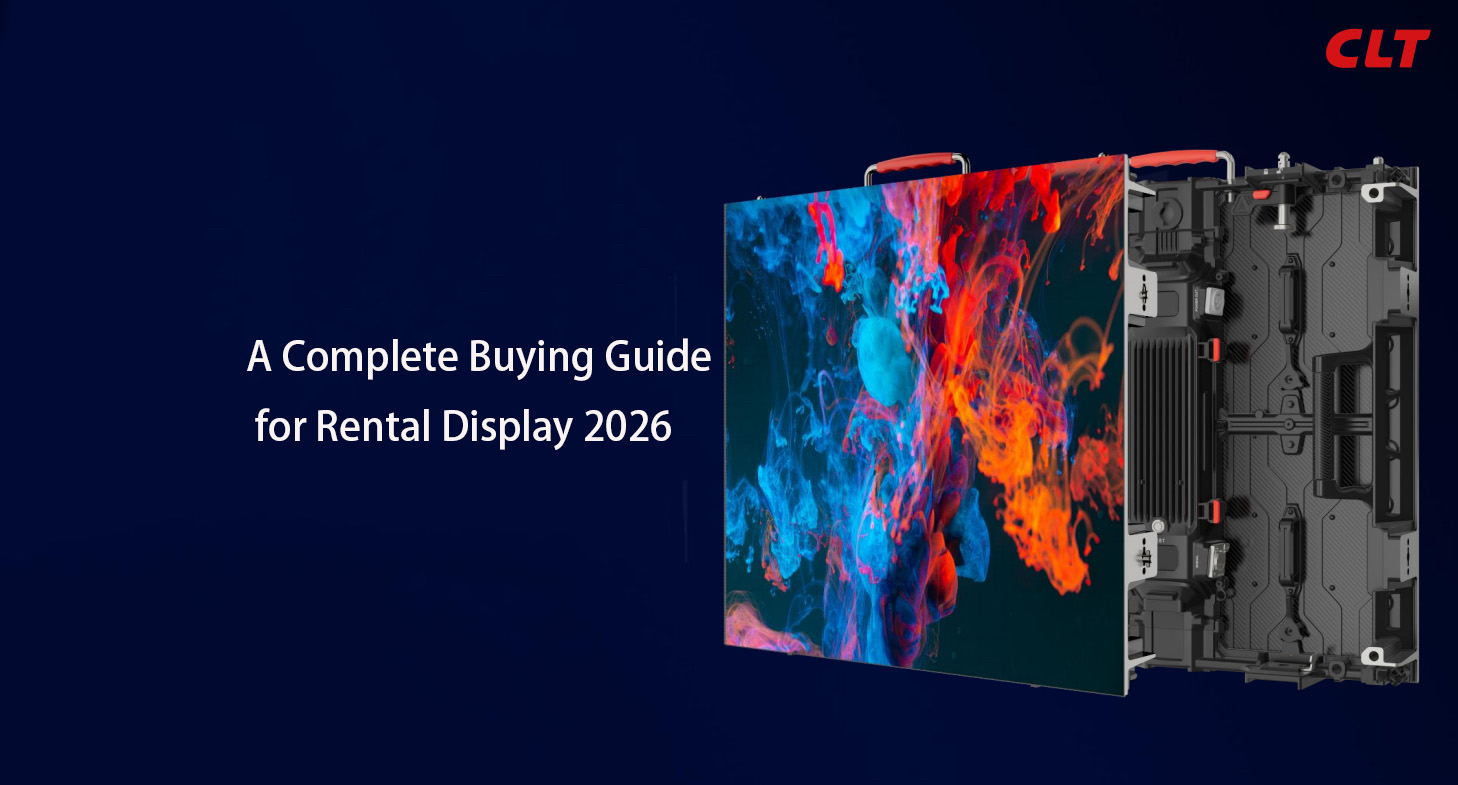
Explore CLT rental LED display solutions to find the right screen for your next event and check A Complete Buying Guide for Rental Display 2026 before purchase the led scree.
2026.07.22
2026.07.15
2026.07.07
2026.06.27
2026.06.11
 中文
中文 English